ad 1

Monday, August 29, 2011

The Many Ways to Make Tea


Ditch Those Tea Bags
Tea bags are convenient, but the best quality tea is loose leaf tea. If you want to experience the full flavor of tea, it's no contest between loose leaf tea and tea bags. How are you preparing it?
Read more...
 
Taiwan Tea Culture - Tea is Life
Tea is part of the social fabric of Taiwan. The long history of tea in Taiwan has secured its status as an integral part of Taiwan culture.
Read more...
 
The Japanese Tea Ceremony - Defining Japanese Culture
The Japanese tea ceremony is an integral part of Japanese culture. It is something everyone can take part in, and most Japanese have experienced the tea ceremony by being a guest at one.
Read more...
 
Come to Tea: An Elegant Garden Gathering
2008-02-25
Tea parties span generations and will be enjoyed by your most sophisticated women friends or all the giggling little girls of your acquaintance.
Read more...
 
A Classic Way to Brew Green Tea
Brewing a pot of Green Tea in Japan is a complicated ritual, and is considered an art form by many people. Making a good cup of green tea, therefore, will take more time and effort than simply blasting a teabag with boiling water.
Read more...
 
Used Tea Leaves - Chagara
What to do with those used tea leaves? Just throw them in the garbage? Surely those fine tea leaves must have value after they have been brewed.
Read more...
 
Japanese Tea Garden
A Japanese tea garden is an enclosed garden in which stands a small tea house where the Japanese tea ceremony (chanoyu or sado) is held. The Japanese tea garden has an important function in preparing the participants of the Japanese tea ceremony.
Read more...
 
The Japanese Tea Ceremony
The Japanese tea ceremony is a highly ritualized procedure for preparing and serving tea. It is steeped in Zen Buddhism and is designed to focus the senses to the present moment. VIDEO
Read more...
 
Tea Time
To most tea lovers, any time is tea time, but in many countries the term “tea time” has come to mean a particular time of day when work stops for a leisurely cup of tea.
Read more...
 
High Tea
The English tradition of high tea dates back to the days of the industrial revolution. The meal was called “high tea” because it was served on the dinner table (the high table) as opposed to the tea table (the low table). VIDEO
Read more...
 
Chinese Tea
Chinese tea is popular around the world. There are many reasons for this – it tastes great, it’s a refreshing pick-me-up, and it’s healthy.
Read more...

The Health Benefits of Tea

Loose Leaf Tea Health Benefits
Though they may not be magic elixirs, the hard data on the benefit of loose teas—black, green and white--developed and published by medical organizations, research institutes and laboratories, certainly suggests that the consumption of these products may indeed have wide-ranging medical benefits.
Read more...
 
Tea for Health
2008-02-18
Tea is a delightful beverage with many health benefits. Beside being rich in antioxidants, tea is a very soothing drink, so drinking it when we are sick helps with our comfort level, which in turn can speed recovery.
Read more...
 
The Green Tea Secret
2007-12-27
Green tea offers many health benefits to those who drink green tea regularly. Besides offering antioxidant benefits, green tea is excellent as a weight loss supplement offering weight loss results and safety.
Read more...
 
Coffee or Tea?
2007-10-31
The cup of coffee has become a favorite eye-opening experience for most workaholics but there are plenty of alternatives which will keep you on your toes thanks to the new and improved view of nature’s oldest flavor brew: the tea leaf.
Read more...
 
Oolong Tea for Dieting
Oolong tea is receiving lots of publicity as a dieting aid but beware of exaggerated claims that it will "melt away the pounds." Oolong tea is NOT a magic solution for obesity.
Read more...
 
Tea and Pregnancy
Women who are regular tea drinkers are often concerned about the effects of tea on their unborn and nursing children. As a source of caffeine, tea can cause problems for both the fetus and the newborn baby. Does this mean that new mothers have to give up drinking tea?
Read more...
 
Weight Loss Tea
Weight loss tea has been around for decades. Does it really work? Is it safe?
Read more...
 
The Benefits of Tea
The Chinese have known it for centuries – the benefits of tea are numerous. Drinking tea will keep you healthy, prevent tooth decay, protect the skin and strengthen bones.VIDEO
Read more...
 
On a Diet? Green Tea can Help
Green tea has many health benefits and is also useful for shedding extra pounds. Green tea increases the metabolism – important information for anyone trying to lose weight.
Read more...
 
The Benefits of Green Tea
The benefits of green tea have received widespread coverage but all this is old hat to tea drinkers in Asian countries. Traditional Chinese medicine holds that green tea has a positive effect on the 5 vital organs – especially the heart.
Read more...
 
Kombucha Tea
Kombucha tea is an “enhanced” tea beverage thought to have even more health benefits than regular tea.
Read more...
 
Health Benefits of Black Tea
The health benefits of black tea are no less than those of green tea. In fact, all tea – green tea, oolong tea, and black tea – is good for us.
Read more...

Tea Production

a Production
Green Tea Extract
2007-12-21
Green Tea Extract is the concentrate of the green tea leaf. The leaf is steeped in alcohol or some other solvent, which is then left to evaporate, leaving the extract. It has all the essential properties of the Green Tea Leaf. The extract has more of the essential parts, while parts of the leaf have no benefit, or effect at all.
Read more...
 
Is Loose Leaf Tea Better?
2007-12-16
Tea bags are convenient, offer quick simple brewing, and even add a nice color to the cup...so it must be the best way to have tea right? Not really...
Read more...
 
White Tea Processing
White tea is produced from varietals that yield whitish sprouts and leaves. The original varietal for white tea is called chaicha and is still used for some white tea, it does not have an abundance of the fine white hairs that white tea is famous for. The chaicha varietal has been supplanted somewhat by other varietals such as Fu Ding Da Hao, Fu Ding Da Bai, and Shui Xian.
Read more...
 
Tea Varietals
All tea - black tea, green tea, wu long tea - comes from the same plant, Camellia sinensis. The different types of tea depend on how the tea leaves are processed after they are picked. Nevertheless, there are differences in tea leaves. Camellia sinensis can be hybridized very easily, and this has led to the development of more than 3000 varietals (or cultivars).
Read more...
 
Japanese Green Tea Processing
Japanese green tea is processed in several stages from fresh leaf to finished product. There are two types of processing - Aracha and Shiagecha.
Read more...
 
Black Tea Grades
Black tea has one of the most uniform tea grading systems of all types of tea. This tea grading system is used by most tea producers in India, Sri Lanka, Java, Indonesia, and Africa as well being applicable to some Chinese black tea.
Read more...
 
Orthodox Black Tea Production
Black tea begins with fresh leaves from the Camellia sinensis plant. This plant produces all types of tea – black, green, oolong, white, and yellow – and it is only how the fresh leaves are processed that determines which kind of tea they become.
Read more...
 
Organic Tea
Organic tea usually carries a higher price tag than non-organics, which begs the questions: Is organic tea really better? How can the average consumer be sure that organic tea meets certain standards?
Read more...
 
Tea Bags
Most people these days associate “tea” with “tea bags.” This sorry state of affairs came about because of the modern world’s obsession with convenience, even when convenience comes at the expense of quality.
Read more...
 
Loose Tea
Although tea bags offer convenience, they are usually filled with poor quality tea. There is some whole-leaf tea available in bags, but as a rule of thumb the best quality tea is only available in loose tea form.
Read more...
 
What Type of Plant Produces Tea
It comes as a surprise to many people that all tea comes from the same type of plant. The type of plant that produces tea is called Camellia sinensi - a plant native to south and south-eastern Asia.
Read more...
 

Robert Fortune - The Father of Indian Tea

Robert Fortune was born in Berwickshire, Scotland on September 16, 1812. He began his working life in a local garden, and his interest and talent in horticulture eventually secured for him a position at the Edinburgh Botanical gardens. By 1842 he had become the Deputy Superintendent of the Horticultural Society's garden at Chiswick in England. Shortly afterwards the Society appointed him their official plant collector in China, and he arrived in Hong Kong on July 6, 1843. Part of his mission was to find and collect tea plants.
This was a time of turmoil for China. The first Opium War had just ended, and as part of the Treaty of Nanking, England gained right of access to China's interior. Despite this right, central China was still off limits to foreigners, but Fortune was able to make several excursions to the Northern provinces.
Fortune remained in China for 3 years and was able to send many plant specimens back to England. He became proficient in Mandarin and adopted the local dress, shaving his head and growing a ponytail, thus blending in so well he was able to travel unchallenged.
Fortune returned to England in May of 1846. At this time, China had a monopoly on tea, and Western countries (in particular England) were looking for ways to break this monopoly.
In 1853 Fortune was commissioned by the East India Company to return to China to collect fine tea specimens and learn the art of processing tea. The tea plants were to be shipped to the Himalayas in the hope of establishing a tea industry in India.
He again disguised himself as a Chinaman and gained access to the tea regions of China . During the three years of this expedition he shipped more than 20,000 tea plants and seedlings to India, thus establishing the Indian and Sri Lankan tea industries.
In 1856 Fortune traveled from China to India accompanied with 8 Chinese tea workers who were to supervise the new tea production facilities. He stayed in India for several months and returned to England in early 1857.
Fortune undertook two more expeditions to the Orient. The first of these (1858-59) was on behalf of the United States government with the aim of finding tea plants that could be grown in the southern states. The second was a trip to Japan and China from 1860 to 1862.
Fortune published four books about his travels. On his return to England, he retired and lived comfortably off the proceeds of his writings.

London - Tea Capital Of The World

The British have long been known for their love of tea -- a custom acquired from the Chinese back in the 16th Century, when British entrepreneurs discovered this most refreshing of beverages and started to bring it to England, turning London into the tea capital of the west.
This started the tradition of the clippers: swift, square-rigged sailing vessels, which would race each other round the Cape of Good Hope in an effort to be first to dock in London with the new harvest of tea from China. One such tea clipper, The Cutty Sark, is preserved and is moored on the Thames at Greenwich, to the east of London.
The oldest tea merchant in the world is Twinings, who opened their tea warehouse in London in 1706. Today they are still very much in business, still selling tea and still run by the Twining family.
Two other tea merchants followed Twinings, eventually diversifying into selling more general goods. The oldest of the two is Fortnum and Mason, the world famous food store in Piccadilly. This was started by William Fortnum -- a retired footman, who used to work in nearby St James's Palace, serving the then monarch, Queen Anne. He was already in partnership with Hugh Mason, as he was allowed to keep the burnt down stubs of the candles that lit the royal palace, which Mason melted down to make new candles for sale.
Fortnum and Mason opened just a year after Twinings, in 1707, and immediately started to sell a wide range of high quality food -- including tea -- to the royal household and the local gentry. They also shipped tea to Florence Nightingale, when she was nursing in The Crimea. They are still going strong today and, when you visit London, you must visit "Fortnums", as they are known, and see the liveried shop assistants. And, if you are seeking that special Christmas gift, Fortnum and Mason gift hampers, presented in monogrammed wicker baskets are the epitome of fine food for the festive season.
In 1834, Henry Charles Harrod opened a wholesale grocery, specializing in tea, in Stepney in the east end of London. In 1849, he shrewdly moved to the new district of Knightsbridge, then in the countryside west of London. This lay just south of the original royal hunting area of Hyde Park, which was due to be the location of the Great Exhibition of 1851.
This relocation paid off handsomely for Harrod and his store grew and grew into the world famous Harrods, now occupying an impressive site in the same location as the original shop. They still sell tea today -- and a lot more besides. In fact their proud boast is they sell anything you might want. To reinforce this, their telegraphic address is: "Everything, London".
Taking afternoon tea in London has become something of a tradition. One of the most desirable locations for this is just along Piccadilly from Fortnum and Masons, at the Ritz Hotel, overlooking Green Park.
"Tea at the Ritz" became particularly popular in the early twentieth century, because it was the only place young ladies could visit unchaperoned. Today, it is a delight to be savored, with or without your chaperon! The standard of the tea, sandwiches (another famous dish invented in London by The Earl of Sandwich) and the cakes is impeccable.
Another excellent location for afternoon tea, when in London, is the English Tea Room of Brown's Hotel in Albemarle Street, Mayfair. This fine, traditional hotel was founded in 1837 by James Brown, butler to Lord Byron and his wife, who was Lady Byron's maid. Their hotel quickly became a meeting place for the local nobility and today is frequented by a wide clientele carrying on the tradition of enjoying English afternoon tea.

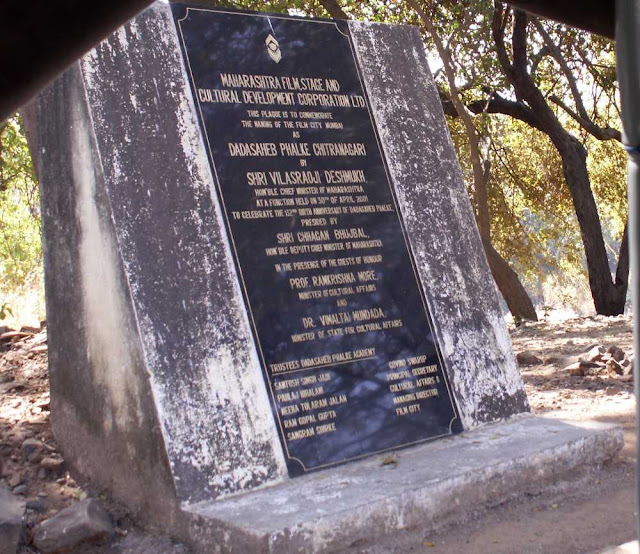
About mumbai film city

Film City, Mumbai  Located in a secluded area in the vicinity of Aarey Colony,  Mumbai , Film City is often regarded as a home ...